

Three Dean’s Scholars Driven by Commitment to Service and Community Health
October 15, 2026
MSU College of Human Medicine is proud to announce Angela Rea, Ali Rehman and Larissa Todd as the recipients of the 2026 Dean’s Scholars Program award. The scholarship recognizes their high academic performance, demonstrated leadership and dedication to health equity.
For the three new Dean’s Scholars, the decision to pursue medicine grew from experiences that shaped their understanding of health, service and community. The four-year program engages students in scholarly work beyond the traditional curriculum through structured mentorship, community outreach and advocacy.
Caring for Community
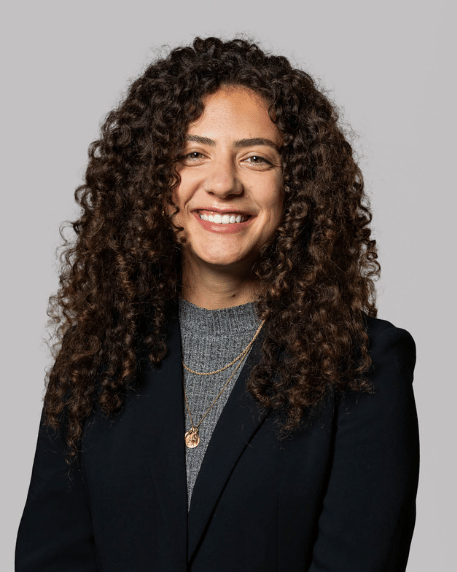 Angela Rea sees medicine as an extension of her previous career, where she spent years teaching high school chemistry and algebra in California.
“There are elements of teaching I admire – mentorship, responsibility for others and community engagement. Medicine shares all of those elements albeit in a different context,” she said.
Rea’s pursuit of medicine was inspired by her mother, a physician assistant at a pediatric practice, who she describes as “a strong, selfless woman who built community through her care.” Rae said she began to crave a purposeful and meaningful role focused on community like her mother.
“As a physician, I hope to foster similar environments of trust and support for my patients,” said Rea. “Patients need a space where they feel comfortable being themselves. I believe my teaching experience has better prepared me to cultivate this sense of comfort.”
In Service of Others
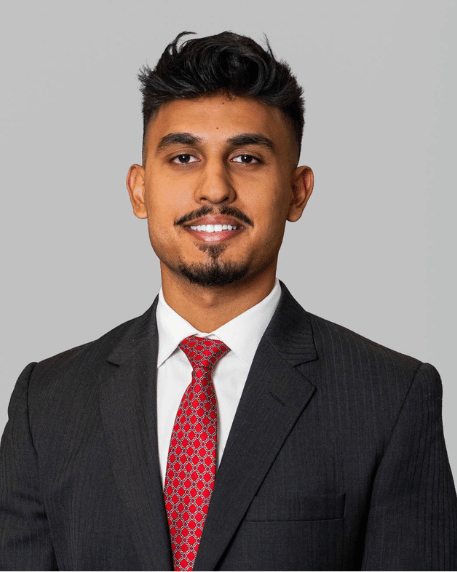 Working in Detroit while getting his undergraduate degree, Ali Rehman saw how language barriers and cultural differences affected patients’ health. It fueled a passion for Rehman to pursue a future where he could provide more comprehensive care, instead of just treating symptoms.
To address language barriers, he helped develop a clinical language guide using AI to communicate medical terminology in 16 languages to patients. It also provided physicians cultural guidance, such as caring for Muslim patients who fast during Ramadan.
“It strengthened my passion for treating the whole patient and providing care that considers not only their disease, but also the cultural and socioeconomic factors that shape their health.”
A Public Health Lens to Patient Care
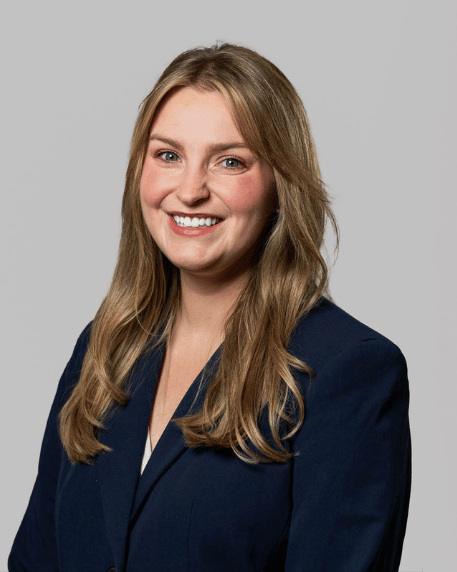 Larissa Todd was always drawn to healthcare. Prior to medical school, she worked in a hospital lab and earned a master of public health degree. During that time, she witnessed the limits of care delivered solely within a medical setting.
“Some of the most influential moments in my healthcare career were realizing that, no matter how much care I could provide within the medical system, it didn’t always mean that health would follow outside of it,” said Todd.
That focus on public health taught her to consider patients within the context of their lives, a perspective she hopes to bring to her medical education.
“Most people spend only a small percentage of their time in medical settings. They spend their entire lives at home, at work and in their communities. Those are the places where health happens,” she said.
Todd is particularly interested in rural health in Michigan, where she can apply her public health background to improving health at both the individual and community levels.
Carrying It Forward
For all three students, the Dean’s Scholars Program offers more than financial support. It creates an opportunity to pursue their goals as physicians while addressing health disparities and deepening their commitment to serving others.
Becoming a Dean’s Scholar was pivotal in guiding Rea’s future as a physician. “The program emphasizes the qualities that first drew me to the College of Human Medicine: a commitment to community-based health, public leadership and service, and mentorship,” she said.
Rehman hopes the program will not only help him develop into a strong physician, but someone who leads through service.
“I want to carry forward the support and investment others have made in me by using the opportunities I receive to create opportunities for others and better serve the communities that need it most,” he said.
Todd said the program is incredibly meaningful because, “it feels like someone is saying, ‘We believe in you, and we want to invest in what you can become and the impact we think you will make.’”
“Knowing that there are people who believe in my potential enough to invest in it and open this door is incredibly affirming and makes me feel like I belong here,” she said.
“Ultimately, I hope to carry this investment forward. I know how much it can mean when someone believes in your potential and I want to be that person for others throughout my career,” said Todd.
By Amy Nienhouse