

NIH awards MSU, U-M team $3.3M to expand diabetes research and improve care
October 6, 2026
A partnership between Michigan State University and the University of Michigan has been awarded a $3.3 million federal grant to improve the prevention and treatment of type 2 diabetes.
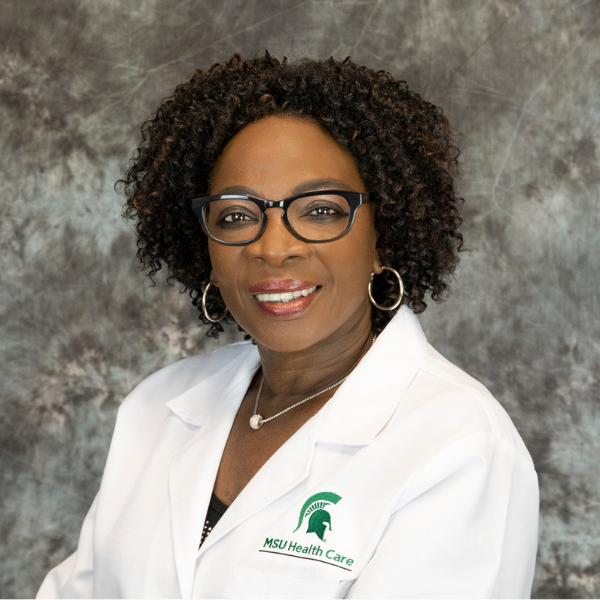 The goal of the Michigan Center for Diabetes Translational Research (MCDTR), one of eight centers nationally, is to quickly take discoveries from the lab to the clinic to help patients, said Adesuwa (Ade) Olomu, MD, a principal investigator for the center and associate dean for faculty affairs at the College of Human Medicine.
“It’s not research just for the purpose of research,” she said. “It’s to help patients as quickly as possible.”
The National Institute of Diabetes and Digestive and Kidney Diseases, a division of the National Institutes of Health, in September announced the five-year award to the MCDTR.
The center brings together experts in many health fields, including clinical practice, public health, epidemiology, behavioral science, health services research, data science, nutrition, and basic science, all working to speed the translation of scientific discoveries into real-world practice to improve diabetes prevention and care.
In addition to Olomu, the principal investigators at U-M are Mary Ellen Michele Heisler, MD, and Gretchen A Piatt, PhD. Co-investigators at MSU are Bree Holtz, PhD, Karen Kelly-Blake, PhD, Kent Key, PhD, and Denise White-Perkins, MD, PhD.
The center staff serve as resources and mentors for researchers, providing funding and helping design studies to improve prevention and care for type 2 diabetes patients, Olomu said.
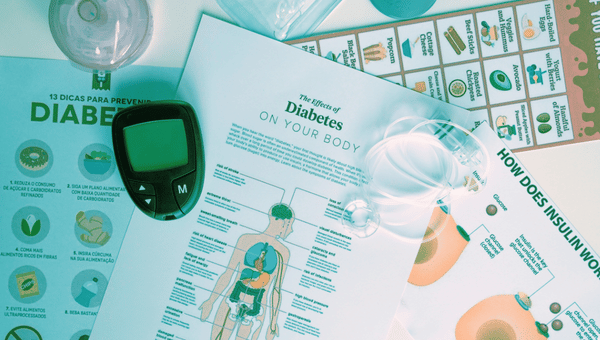 MCDTR includes four specialized cores and three programs that provide expertise in administration, evaluation and implementation science, lifestyle and environmental factors, community/family/peer support, and pilot and feasibility research.
The work is urgent, she added, as an estimated 38 million people in the United States have type 2 diabetes, a number that is expected to grow to 43 million by 2050. Another 98 million people have pre-diabetes. Diabetes increases the risk of heart disease, nerve damage, kidney disease, eye damage, dementia, and other disabilities.
“So it's a huge problem,” said Olomu, who also is the Blanch B. & Frederick C. Swartz Endowed Professor of Medicine. “All those scientific discoveries that will make diabetic care and outcome better, we want to make sure it is translated to the patients and their families and the community.”
The federal grant, Olomu said, is “very important because it really impacts patients. It’s life changing. Having this center in Michigan, and also having MSU as part of this center, is really going to help improve diabetic health outcomes for the population.”
By Pat Shellenbarger | Media Contact Emily Linnert

Related News
With funding from the National Institutes of Health (NIH), Adesuwa "Ade" Olomu, MD, MS, associate dean for faculty affairs and the Blanch B. & Frederick C. Swartz Endowed Professor of Medicine at the Michigan State University College of Human Medicine, and her co-investigators are studying how a program can help patients take control of their health.