

Experts, Families Navigate Autism Science in an Age of Misinformation
July 29, 2026
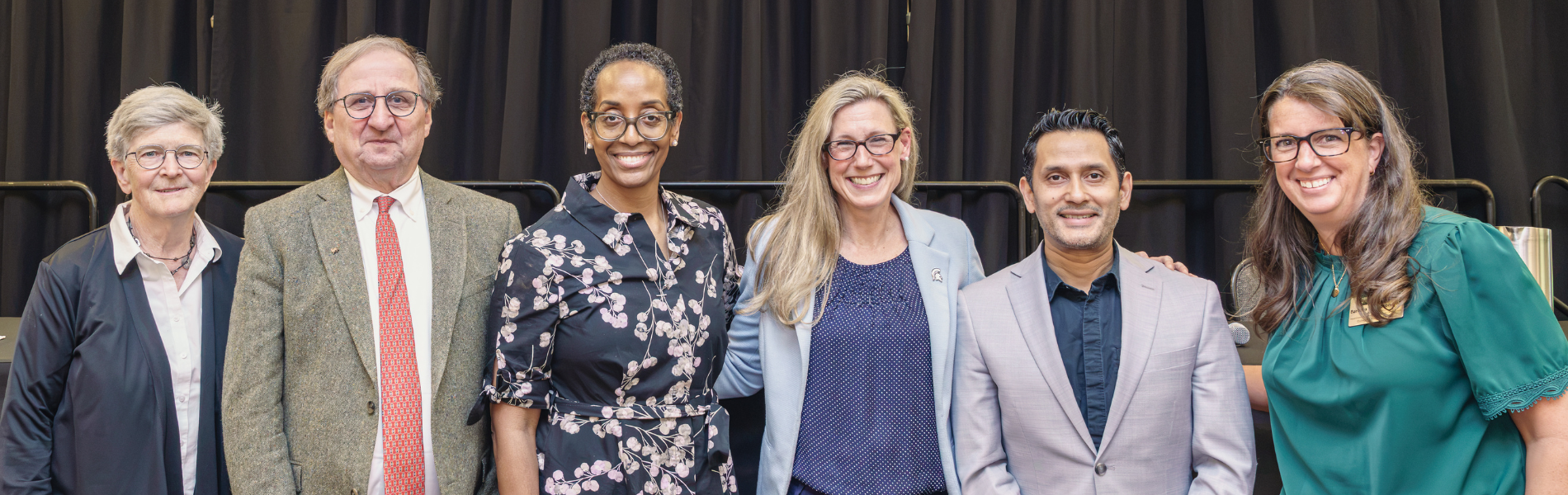
During a time of rapid growth in artificial intelligence and unprecedented access to information, misinformation can spread faster and farther than ever before.
Recognizing that challenge, the College of Human Medicine's Department of Pediatrics and Human Development chose Navigating Autism Science & Identity in the (Mis)Information Age as the theme for its 10th annual Autism and Neurodevelopmental Disorders Family and Professionals Conference.
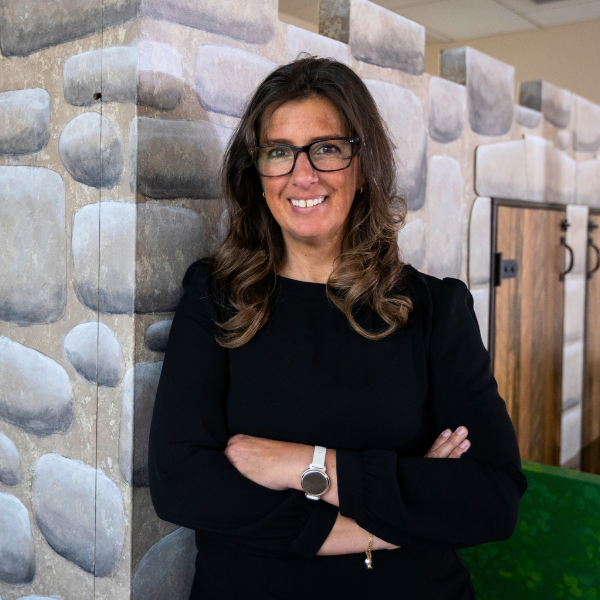 “From the science and the medical profession side, it’s concerning how quickly information can get spread and be relayed, said Barbara Thompson, PhD, assistant professor in the Department of Pediatrics and Human Development. Often, it's not a thorough scientific explanation for what's actually going on.”
The annual conference brings together researchers, clinicians, educators, caregivers and those with autism to explore new ideas, strategies, and resources to support children and adults with neurodevelopmental disorders (NDD), including autism.
Iesha Brassell of Wayne County, mother of 18-year-old Jade, came to the conference to not only learn, but to share her experience as the mother of a young adult with an autism diagnosis. She says when it comes to misinformation, her trust lies with evidence-based and lived experience.
“To be honest, I do not listen to all of the hoopla as it relates to autism. I believe that God created her to be who she is,” said Brassell. “We accept that and we have to learn to navigate it.”
Brassell points to ABA or applied behavioral analysis, a therapy that applies scientific learning principles to modify behavior and teach new skills. She said it’s something that didn’t work for Jade as a child but helped her immensely as a teenager.
“They showed me steps on how to redirect her,” said Brassell. “I was a single mom raising a young woman that's on the spectrum. It definitely added value and balance in our house.”
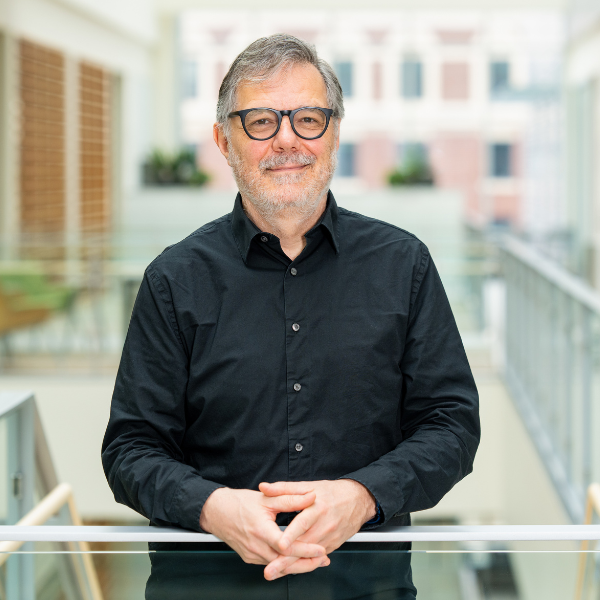 For Lucas Pozzo-Miller, PhD, the inaugural Mall Family Endowed Professor in Genetic Autism Research, the message to caretakers and those living with autism is hope. “We respect and value the perspectives of neurodivergent individuals and families who embrace autism as part of who they are,” said Pozzo-Miller. “At the same time, advances in research are helping us better understand severe forms of autism that can significantly affect quality of life, with the hope of developing therapies that reduce some of the most debilitating symptoms for affected individuals and their caregivers.”
Pozzo-Miller focuses his research on the biological mechanisms behind genetic forms of autism, particularly those caused by single-gene mutations. By using advanced tools such as gene editing and large-scale data analysis, his work aims to uncover how autism develops at the cellular level — a critical step toward designing targeted therapies that could one day treat or better manage certain characteristics of the disorder.
“Research is advancing,” said Pozzo-Miller. “Nothing is solved in a year. Autism is a very complex condition in the sense of the complexity in the different sources and the causes.”
Thompson agrees and points out faster advancements in research, therapy, and care can be made when everyone has a seat at the table and the annual conference provides that facetime.
“It's not a single cause for a neurodevelopmental disorder or a single cause for autism,” said Thompson. “It's not going to be a single entity that provides solutions or provides resources. It highlights the need for listening first and hearing the different viewpoints. Each one of these stakeholders, scientists, clinicians, family member, individual with the lived experience, has a valid viewpoint.”
 “This is their world,” said Brassell. “So come into their world. Ask them questions. Pose the questions in a way that they can understand. If you can't pose a question, put up a picture, ask them to point it out, utilize the AAC (augmentative and alternative communication) device. Meet them on their level.”
Jade earned her high school diploma in June. Brassell credits resources, advocates, and community for helping her reach that milestone.
“We have definitely been celebrating. It's been monumental for our family and for me as a mother, because all our hard work finally paid off.”
As TikTok videos, social media influencers, and supplements continue to be a tempting source for families looking for a quick answer or cure, the topic of misinformation remains critically important.
“The internet is a great resource, but there are a number of things that families can consider looking for and determining whether or not this a trusted resource,” said Thompson. “Take what you find on the internet to your physician, and say, hey, does this make sense? They are there to provide the best care for you and your family.”
“It is tempting to look at TikTok videos for 30 seconds and come out with a very simple answer,” said Pozzo-Miller. “Your medical provider has access to medically sound information, the training, and critical thinking to help you to better treat your children.”

Related News 
New Approaches Advance Autism Research at MSU College of Human Medicine
Partnering with Community to Study Loneliness and Belonging and Unmet Needs in People with Autism