

New Approaches Advance Autism Research at MSU College of Human Medicine
April 22, 2026
MSU College of Human Medicine researchers are shedding new light on autism spectrum disorder. From studying its genetic roots, to identifying opportunities for earlier diagnosis and improving day-to-day support for families, a number of investigators are using new approaches to better understand the disorder.
Read how Spartans are advancing autism research across the state:
Studying autism at the cellular level
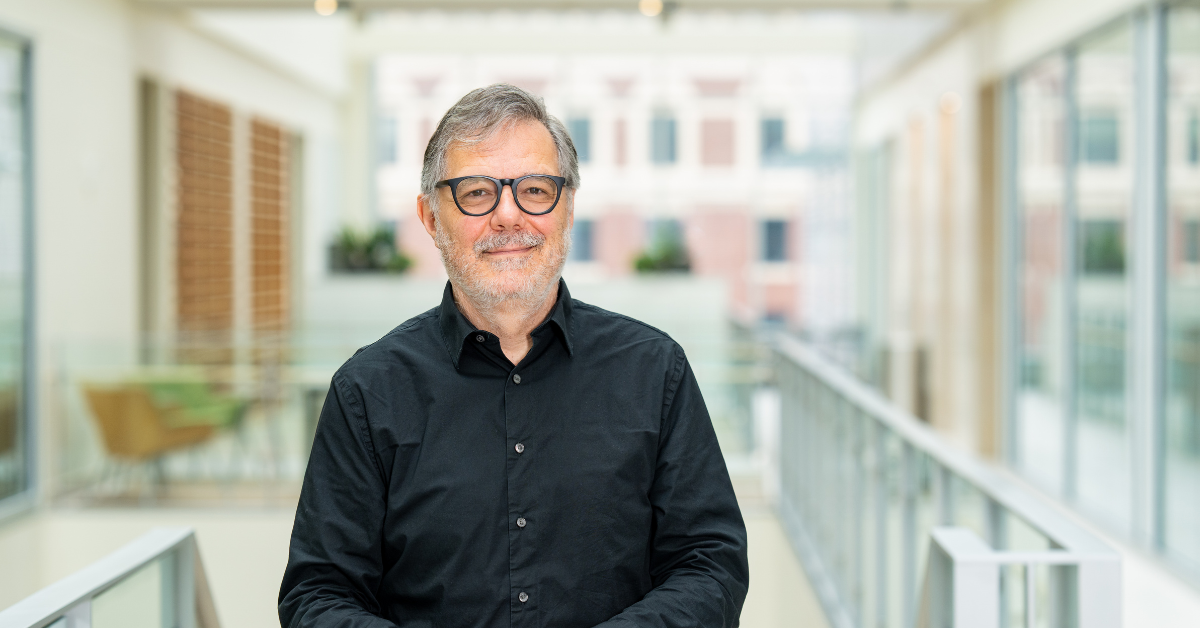 Nationally recognized neuroscientist Lucas Pozzo-Miller, PhD, Mall Family Endowed Professor for Genetic Autism Research, focuses his research on the biological mechanisms behind genetic forms of autism, particularly those caused by single-gene mutations. By using advanced tools such as gene editing and large-scale data analysis, his work aims to uncover how autism develops at the cellular level — a critical step toward designing targeted therapies that could one day treat or better manage certain characteristics of the disorder.
Pozzo-Miller works with several researchers in the Department of Pediatrics and Human Development, as well as clinician scientists at Corewell Health Helen DeVos Children’s Hospital.
Newborn hearing and autism
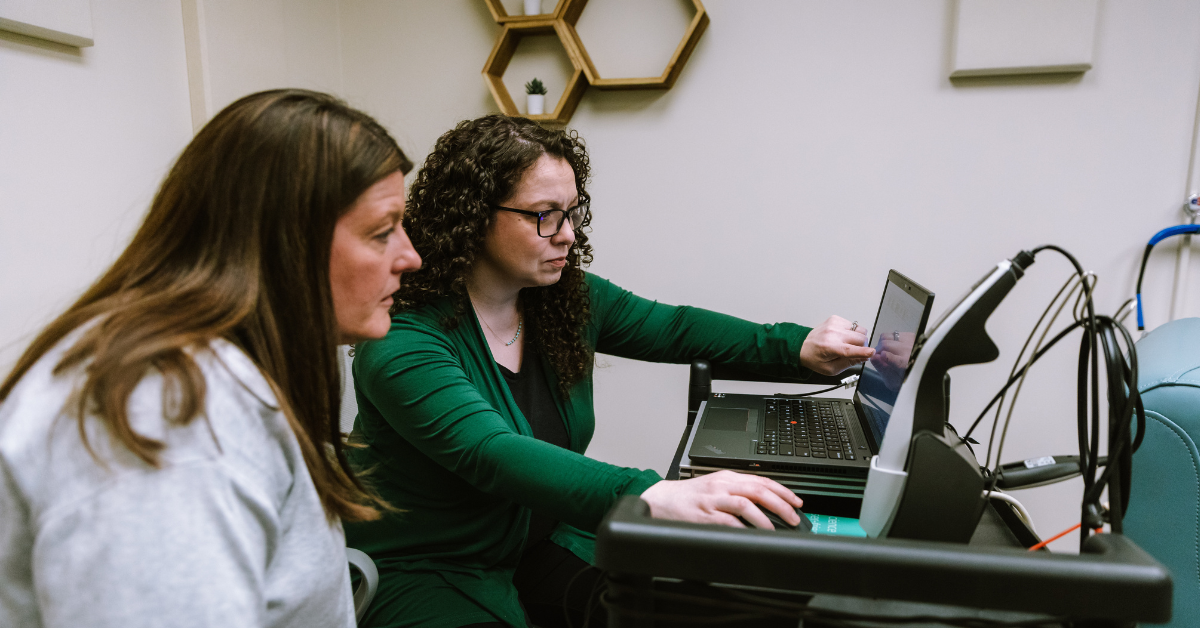 Building on earlier research that links hearing loss and autism spectrum disorder, Nicole Talge, PhD, associate professor in the Department of Epidemiology and Biostatistics, is exploring whether routine newborn hearing screenings can reveal early signs of autism or other neurodevelopmental conditions. This research can help identify children who could benefit from early interventions and support their participation in family, school, and community activities.
Social motivation in young children with autism
 Using innovative play-based experiments, Barbara Thompson, PhD, a behavioral neuroscientist in the Department of Pediatrics and Human Development, is examining how young children with autism experience social interaction. By examining differences in how children respond to social cues, Thompson’s work can help to understand the variations in social reward across the autism spectrum and could guide more personalized interventions that better support each child’s needs.

Save the Date | July 23
This year, the College of Human Medicine hosts its 10th annual Autism & Neurodevelopmental Disorders Family and Professionals Conference on July 23 at the Kellogg Center. The conference brings together researchers, clinicians, and educators with those who have autism and their family members.