

David Bahrman Biography
July 28, 2026
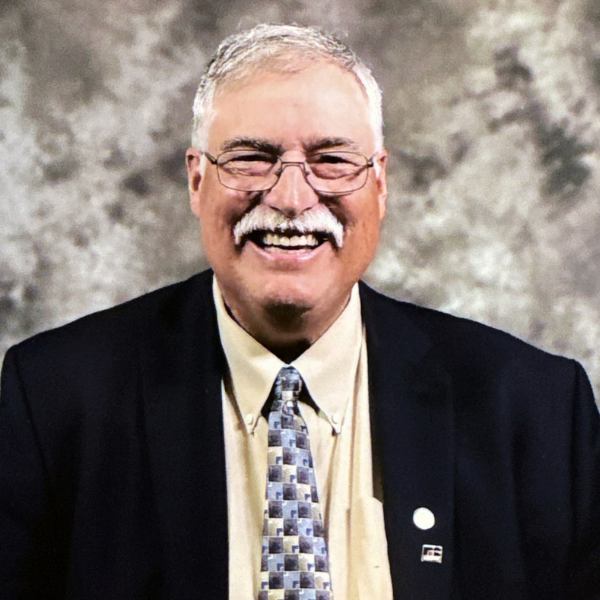 David Bahrman was a lifelong farmer (dairy, potatoes and beef) in Michigan’s Upper Peninsula and a longtime district director for the Michigan Farm Bureau, indeed agriculture was his occupation, his hobby and his passion all rolled into one. It is the fact that he was able to spend his life doing physically demanding work despite his extraordinary medical history, however, that prompted his widow to create an expendable fund within the MSU IQ program that is dedicated to tissue-engineered heart valve research and development.
He was born with aortic stenosis, and contracted endocarditis for the first time at age 18. Open heart surgeries to replace his aortic valve took place that year, 1975, and subsequently in 1978, 1985, 1989, 2005 and 2025.
His first three surgeries involved porcine valves, which obviously weren’t lasting very long, so in 1989 he received a St. Jude’s mechanical valve. This was to be a “forever” valve, and while he had to adjust to its very audible clicking sound (it could be heard by others in a quiet room and of course he heard it 24/7/365), he was happy to be done with open heart surgery.
In 2005, however, he contracted endocarditis for a second time, and it was initially misdiagnosed as an upper respiratory infection, indeed the antibiotics he was given would eventually prevent the identification of the infectious organism involved. By the time he was airlifted to St. Mary’s hospital in Rochester, MN, he was in grade four heart failure and his “forever” valve was almost completely dehisced. He was given a 50-50 chance to survive the valve replacement surgery, which took place the following morning, but thanks to Dr. Kenton Zehr he not only survived but thrived.
In this surgery he received an aortic valve and root homograft as well as a pacemaker on which he would be 100% dependent, so he did have some more adjusting to do. Now he had to adjust to not hearing the clicking that had told him his heart was still beating, and now he had to adjust to leaving his shop whenever someone started welding.
And yet he never complained about the hand he was dealt in life, never asked “why me?”, and when others posed that question he would say “well, why not me?”.
The tissue valve he received in 2005 was only supposed to last 10-15 years, but by the 15 year mark he’d acquired other chronic conditions such as diabetes, and there was arguably some procrastinating on the part of his physicians with respect to another high-risk surgery. This meant that in 2025, at the 20 year mark and age 67, he contracted endocarditis for a third time as he was being worked up for another valve replacement. It went undiagnosed for a long time, however, so by the time he was airlifted to Henry Ford, there being no beds at Mayo’s, he would soon be in the ICU, on dialysis, and suffering from the delirium associated with circulating blood infections.
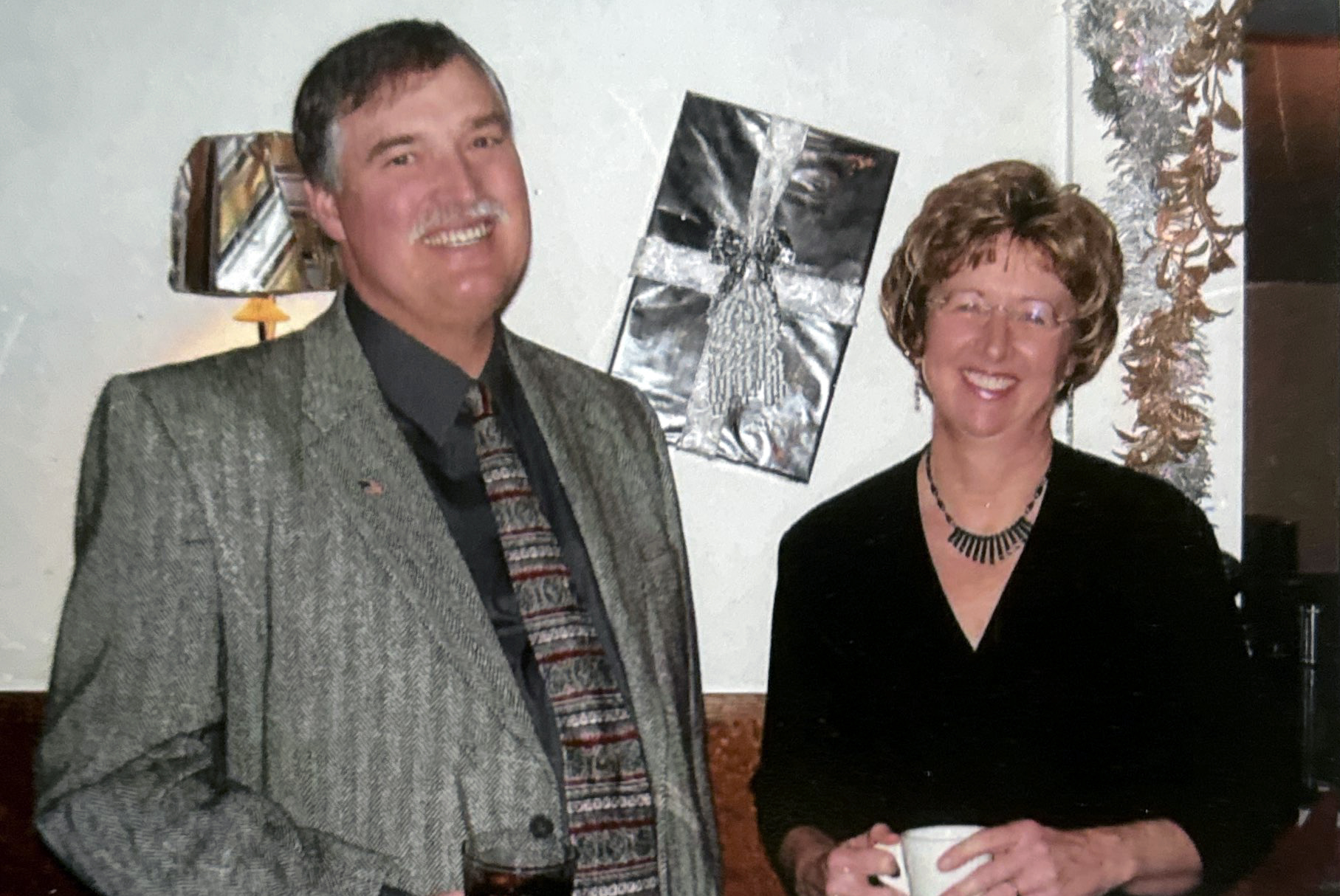 Upon this airlift his wife began searching for Dr. Zehr, providentially found him at the Detroit Medical Center and had David transferred there.
Dr. Zehr actually remembered David, and became his staunchest advocate. When most of the other specialties involved (ICU, nephrology, neurology) started trying to engage his wife in end-of-life conversations, Dr. Zehr pushed back hard, saying that once the infection was under control his kidneys could wake up and so could his brain. And he was right – David’s kidney function improved enough to withdraw dialysis, and his mentation improved enough to enable communication. Dr. Zehr then looked for the best window of opportunity to undertake the valve replacement surgery and did so, but sadly the miracle could not be repeated, largely due to the adhesions associated with repeat surgeries.
Because Dr. Zehr made such a big impression on David’s widow, her original intent was to endow a scholarship aimed at medical school graduates who aspire to be heart surgeons, but somewhere along the way was persuaded that what patients in David’s position really need is not necessarily more great surgeons, but surgeons with better tools such as more durable and infection-resistant prosthetic aortic valves. He lived his entire life on the frontier of advances in cardiac intervention, and because expanding that frontier means fewer heartbroken widows and widowers, she has made this gift now and made this fund the focus of her estate plan as well.
Contribute to the Tissue-Engineered Heart Valve Research in memory of David Bahrman