

Charles C. Hong, MD, PhD, FAHA
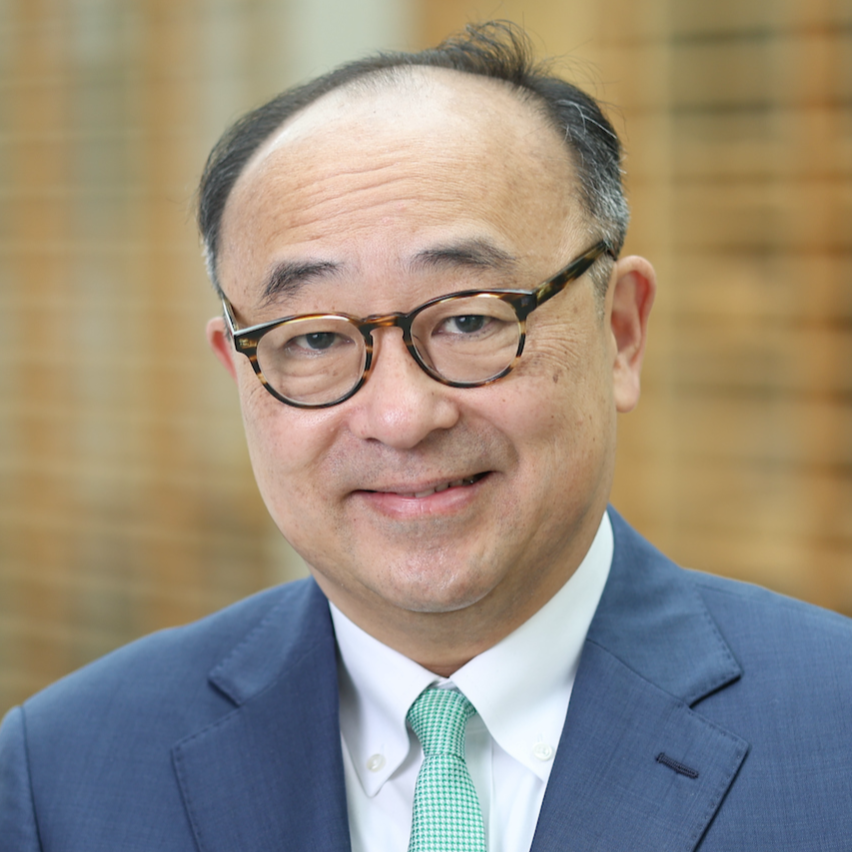
- Chair, Department of Medicine
- Department of Medicine
- Michigan State University College of Human Medicine
Bio
Dr. Charles C. Hong is the chair of the Department of Medicine at Michigan State University College of Human Medicine and an MSU Research Foundation Distinguished Professor.
Dr. Hong earned his bachelor's degree from MIT and his MD-PhD from Yale, with additional clinical and scientific training at Massachusetts General Hospital and Harvard Medical School. He previously held faculty and leadership appointments at Harvard and Vanderbilt, and most recently served as the Melvin Sharoky Professor of Medicine and Chief of Cardiology at the University of Maryland.
As chair, Dr. Hong aims to build the Department of Medicine into a catalyst for translational science and innovation in academic medicine through strategic growth in research, faculty and learner development, and expanded clinical programs — in collaboration with health system partners and other MSU disciplines.
A pioneer in chemical genetics, Dr. Hong defined the role of PI3-kinase (PI3K) in vein formation, establishing a mechanistic basis for targeted treatments in venous malformations. He also identified dorsomorphin, the first small-molecule inhibitor of bone morphogenetic protein (BMP) signaling, which has enabled new therapeutic approaches across a spectrum of diseases. Today, his small molecules are utilized in nearly all methods for generating human neural tissues in vitro, advancing stem cell–based disease modeling and accelerating therapeutic discovery. Recently, Dr. Hong's laboratory discovered a novel extracellular proton-sensing pathway that enables cancer cell survival, a breakthrough he is leveraging to develop next-generation cancer therapeutics that selectively induce ferroptosis in malignant cells while sparing normal tissue. A clinical expert in inherited heart diseases, he also identified RBM20 as a leading causal gene for familial dilated cardiomyopathy and discovered that faulty centrosome reorganization during cardiomyocyte maturation causes infantile dilated cardiomyopathy.
He is an elected member of the American Society for Clinical Investigation, a Fellow of the American Association for the Advancement of Science (AAAS) and serves on the Board of Directors of the Sarnoff Foundation and the CVPath Institute.