

Education

Shared Discovery Curriculum
The patient is at the center of the educational enterprise. The Shared Discovery Curriculum will nurture, educate and graduate students who are ready, willing and able to be exemplary new residents and practicing physicians.
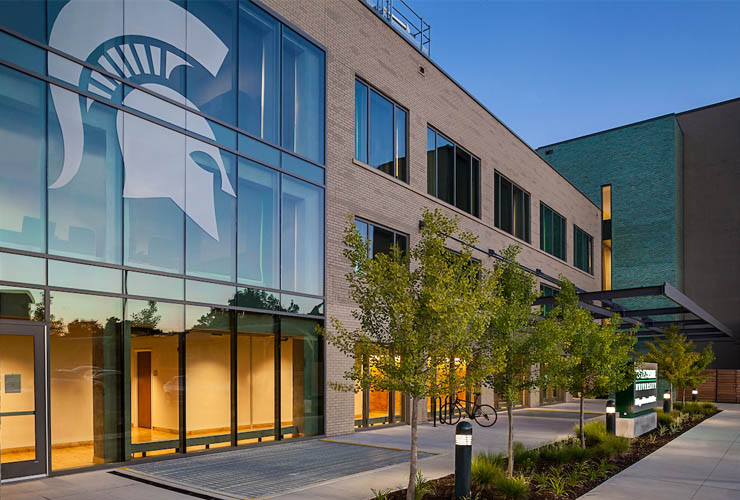
Community Campuses
As a state-funded institution with a mission to serve the people, our students obtain their clinical training in communities throughout Michigan.
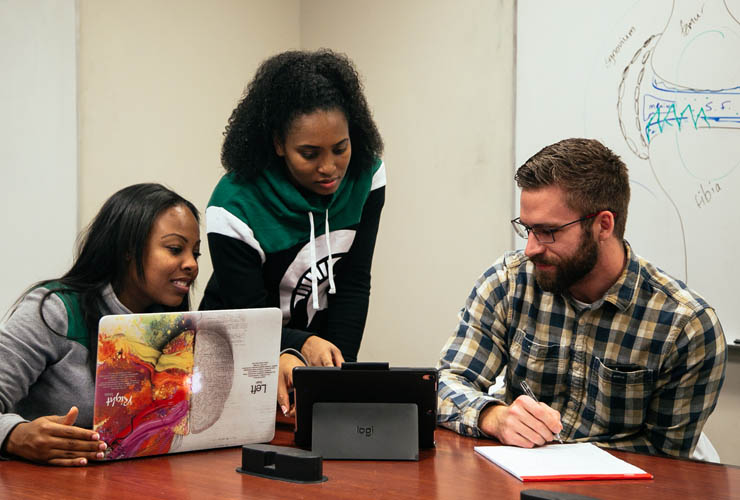
Graduate & Certificate Programs
As the nation's pioneer community-based medical school, our MD program emphasizes patient-centered care through the innovative Shared Discovery Curriculum. The college also offers certificate programs and dual degree programs.

Service Learning
Students connect their academic coursework with community concerns through immersive service learning opportunities. Throughout medical school, students will reflect on their future roles as physicians and the role it plays within the communities they service.

Global Health Study
Our students have several international health study opportunities throughout the academic year. They often spend breaks between classes in the winter, spring and summer to travel abroad and experience international health in underserved areas of the world.

Simulation Program
Through the work of simulated patients, our students gain real world, hands-on experience in a variety of settings and scenarios.
Related
- Clinical Elective Clerkships
- Legacy Curriculum Information
- Professional Licensure & Certification
- MD/Oral Maxillofacial Surgery Residency Program
in conjunction with Henry Ford Health System